CONTROL THE DECISIONS BEFORE PRODUCTION

Cabin Procurement Process

A reliable purchase path converts customer requirements into approved documents, defined responsibilities, measurable acceptance criteria, and a traceable shipment decision.

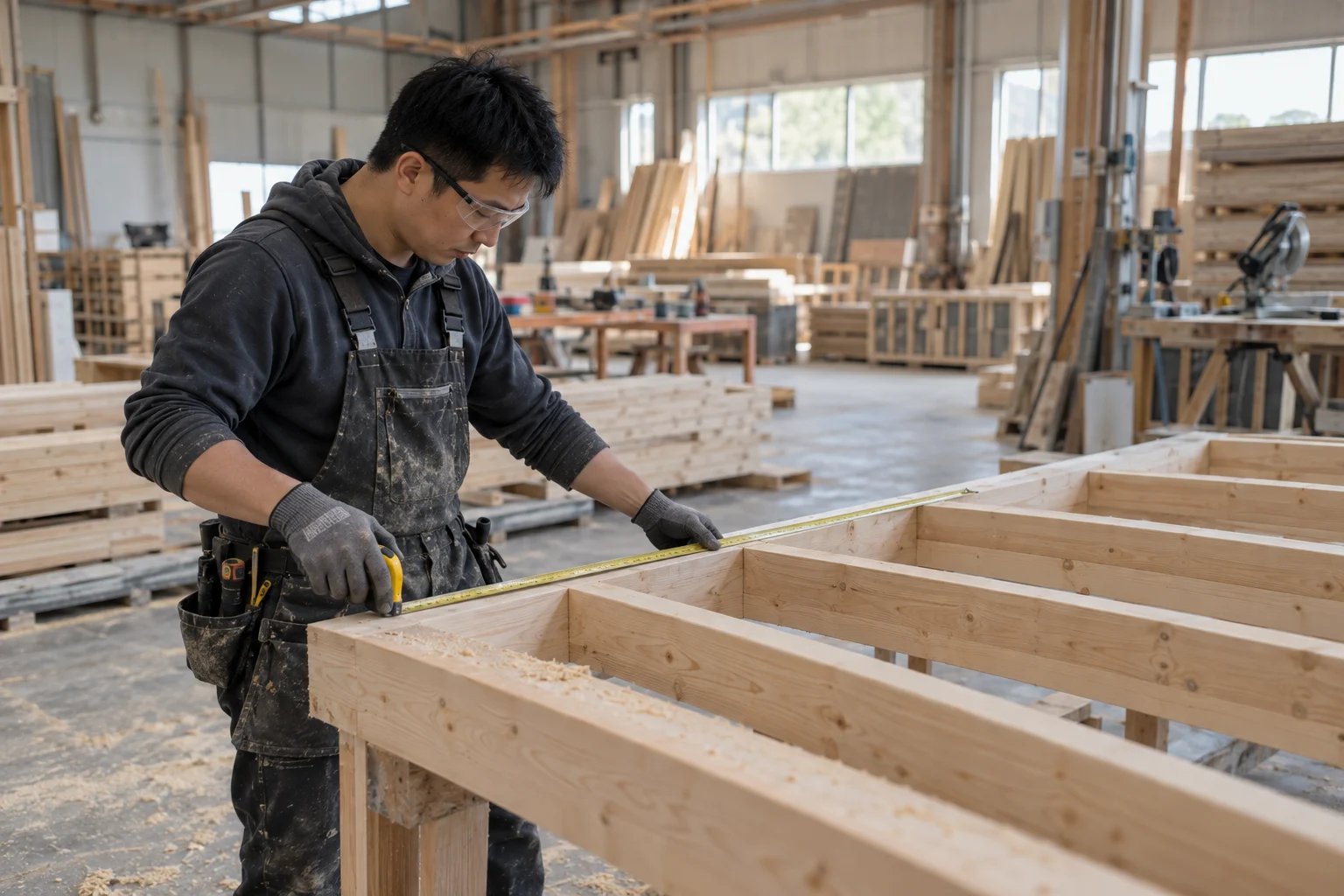
Illustrative timber cabin components arranged in a production workshop
Illustrative AI-generated production environment. Buyers should request current, project-specific evidence when evaluating a supplier.
Stage 01Requirements
Stage 02Supplier review
Stage 03Controlled order
Stage 04Verified release

PURCHASE CONTROL

Six documents reduce avoidable ambiguity.

Document names vary by supplier, but each order should have a clear source of truth for product, price, responsibility, approval, inspection, and delivery.

Project brief

State the intended use, destination, quantity, programme, budget basis, site constraints, required services, and local design inputs.

  • User and operating requirements
  • Destination and climate information
  • Known exclusions and open decisions

Scope and responsibility matrix

Separate factory supply, freight, foundations, lifting, assembly, services, approvals, commissioning, and maintenance.

  • Buyer, supplier, installer, and consultant roles
  • Included and excluded items
  • Required inputs and decision dates

Approved drawing register

Track every order drawing, schedule, specification, sample, comment, revision, and approval status in one controlled list.

  • Document ID and current revision
  • Approver and approval date
  • Superseded-document control

Commercial schedule

Link price, currency, taxes, payment milestones, trade terms, variation rules, programme, delay treatment, and document deliverables.

  • Milestone evidence
  • Variation approval method
  • Named place and delivery responsibility

Inspection and release plan

Agree hold points, sampling, tolerances, test methods, records, non-conformity closure, and shipment approval authority.

  • Factory testing and inspection points
  • Photo, video, or third-party evidence
  • Pre-shipment release checklist

Handover file

Specify the packing list, manuals, drawings, maintenance information, spare-parts list, warranty route, and arrival records required.

  • As-supplied document set
  • Installation and maintenance information
  • Defect and support contacts

WORKING METHOD

Use stage gates instead of assumptions.

Do not allow schedule pressure to turn unresolved design questions into undocumented production decisions.

  1. 01

    Qualify the opportunity

    Confirm that the proposed cabin format, destination, quantity, timeline, and buying process are feasible enough for detailed work.

  2. 02

    Compare suppliers

    Review legal identity, relevant capability, current factory evidence, sample documents, references where verifiable, and commercial fit.

  3. 03

    Approve the contract package

    Align scope, drawings, specifications, samples, responsibilities, inspection rights, payment, programme, and delivery terms.

  4. 04

    Control production

    Use approved revisions, agreed hold points, non-conformity records, and written change approval.

  5. 05

    Release and hand over

    Verify goods, labels, packing, documents, open items, freight readiness, and the post-delivery support route.

BUYER NOTE

A low headline price is not a complete comparison.

Compare offers on the same documented scope, delivery basis, performance assumptions, included finishes and services, inspection evidence, and destination responsibilities. Legal, tax, customs, certification, and building requirements need advice appropriate to the transaction and location.

  • Normalise exclusions before comparing totals
  • Do not pay a milestone without the agreed evidence
  • Keep variations and approvals in writing

BUYER QUESTIONS

Frequently asked questions.

Clear starting answers for commercial buyers. Final scope and compliance remain project-specific.

What should a first cabin inquiry include?

Include the project location, intended use, approximate dimensions, quantity, target date, preferred supply format, site constraints, available drawings, and known local performance requirements. Mark unknown information clearly rather than guessing.

When should production begin?

Production should begin only after the contract package identifies the approved scope, current drawings, material and finish decisions, responsibilities, inspection plan, payment milestone, and authorised route for later changes.

Let's build your
next opportunity.

Tell us about your location, cabin style, and project requirements.

info@CabinWild.com