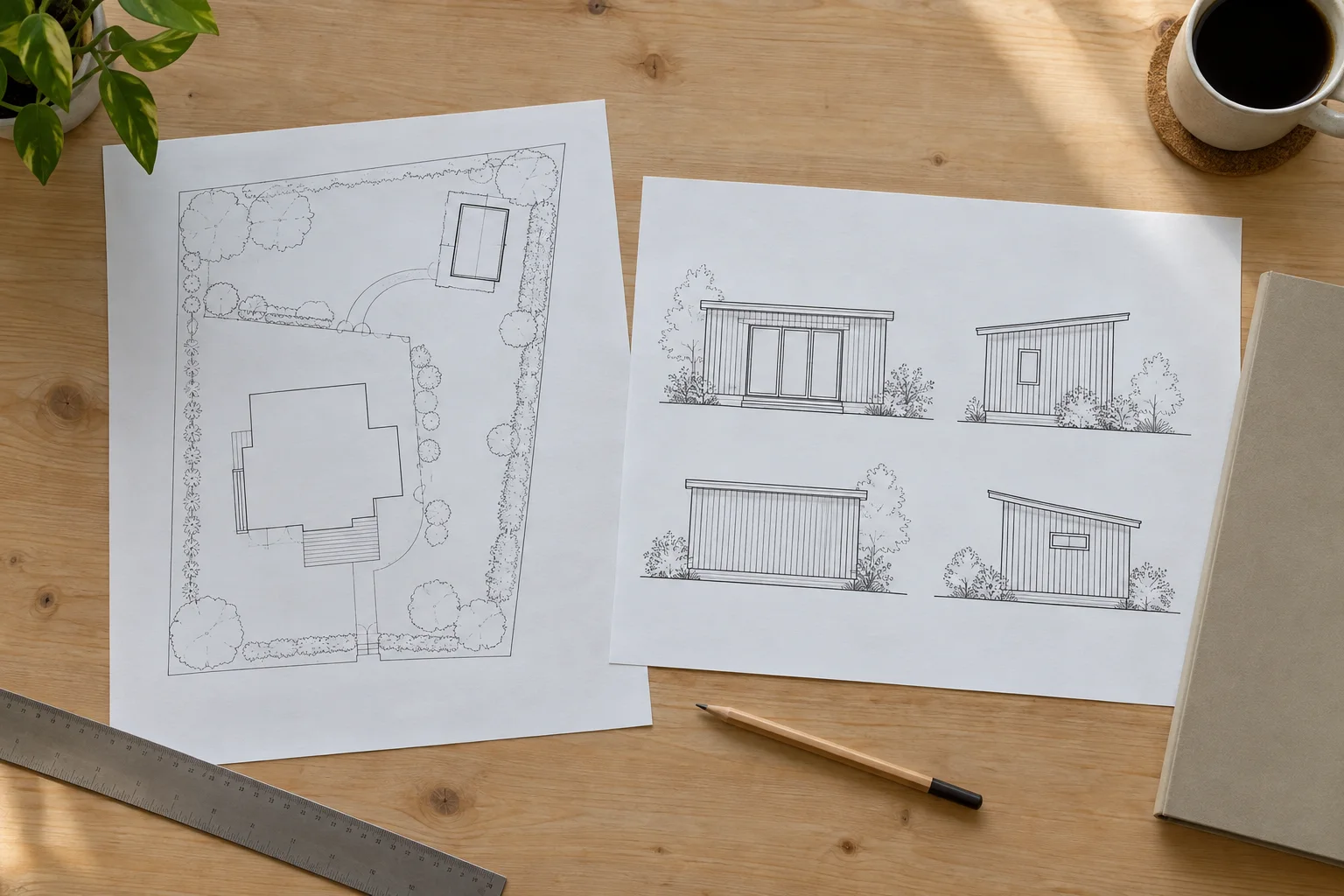
A useful prefab cabin RFQ defines the building system, intended use, supply boundary and evidence needed to compare bids. Evaluate mandatory technical requirements before scoring price or optional features. Keep exclusions visible, and ask every shortlisted supplier to answer the same drawing revision and deviation schedule.
Introduction: define mandatory requirements before preferences
An overseas purchaser may receive a shell quotation, a fitted cabin proposal and a package including assembly under the same project name. Comparing their total prices without normalizing the scope produces a misleading shortlist. A request for quotation should make differences explicit before the team negotiates a preferred offer.
A useful prefab cabin RFQ defines the building system, intended use, supply boundary and evidence needed to compare bids. Evaluate mandatory technical requirements before scoring price or optional features. Keep exclusions visible, and ask every shortlisted supplier to answer the same drawing revision and deviation schedule.
This guide is written for distributors and project managers preparing a first overseas cabin tender. Its examples are hypothetical purchasing and operating situations. Use the checks to prepare a precise brief for the cabin supplier and destination team; they do not establish that an unspecified cabin meets a particular performance level or local approval route.
Further reading: ISO: quality management principles.
1. Define mandatory requirements before preferences
Separate requirements that determine whether a bid is usable from preferences that can be traded against price. Intended occupancy, destination, approved footprint and required documentation belong in the first group. A decorative colour or optional terrace may belong in the second. Do not award a high overall score to an attractive package that has not answered a mandatory constraint. Let technical reviewers identify which unresolved matters prevent a meaningful offer.
A useful starting record is a dated requirements schedule identifying mandatory items, preferences and named reviewers. Ask the person producing it to identify the cabin model, affected component and drawing revision. A document describing a different construction system may explain a principle, but it cannot establish acceptance of this package. Keep the answer with the quotation so that purchasing and technical reviewers are working from the same basis.
The error to avoid is averaging a fundamental scope gap into an otherwise attractive total score. Resolve the gap before the adjoining work is purchased or concealed. Where two options look similar in the catalogue, compare the evidence, access for correction and effect on the rest of the package rather than treating the photograph as the specification.
A question to put in the buyer brief
Which mandatory requirements are confirmed, conditional or unanswered in your proposal?
2. Issue one consistent drawing and supply boundary
Give bidders the same plan, section, component list and revision identifier. Define whether the package is structural shell, weather-tight envelope or a fitted unit. Assign foundations, services, equipment and assembly explicitly. Suppliers may propose alternatives, but those alternatives should appear separately from the conforming base offer. Otherwise a lower quotation can simply reflect fewer included parts rather than a more efficient manufacturing proposal.
Compare the proposed approach using a scope matrix with one current drawing revision and explicit purchaser-supplied items. The important question is not whether a supplier can send more photographs; it is whether the information resolves this decision. Identify what can be checked before an order and what requires a site observation. If there is a limitation, record it alongside the proposal rather than hiding it in a later email.
The error to avoid is sending different informal drawing updates to different bidders. Resolve the gap before the adjoining work is purchased or concealed. Where two options look similar in the catalogue, compare the evidence, access for correction and effect on the rest of the package rather than treating the photograph as the specification.
Further reading: ICC: Incoterms rules.
A question to put in the buyer brief
Please identify every excluded item and every alternative to the base package.
3. Require a deviation schedule
Ask suppliers to list differences even where they consider the proposed change an improvement. A different window size affects openings, furniture and possibly ventilation. An alternative timber product may need different engineering evidence. Make silence mean unanswered rather than automatically compliant. Evaluate deviations by their effect on the complete project and by who must approve them, not by whether the sales description sounds favourable.
Before approving this detail, request a component-by-component deviation register linked to the offered materials schedule. Evidence should have a clear scope and a named reviewer, especially when the manufacturer and local installer perform different parts of the work. Record the accepted outcome and keep any conditional items open. This prevents a preliminary assumption from becoming a repeated production instruction without a deliberate decision.
The error to avoid is treating the phrase equivalent specification as a complete technical answer. Resolve the gap before the adjoining work is purchased or concealed. Where two options look similar in the catalogue, compare the evidence, access for correction and effect on the rest of the package rather than treating the photograph as the specification.
A question to put in the buyer brief
What changes from the requested specification, and what interfaces does each change affect?
4. Score evidence separately from the proposed claim
A proposal can be complete on paper while its supporting documents are weak. Separate what is offered from the evidence that makes the offer credible. A named product data sheet is stronger than a generic catalogue paragraph for component identity, but neither establishes installed performance by itself. Define the review method before receiving bids and keep any weighting consistent across suppliers. Do not invent precision by scoring unidentified documents to decimal places.
A useful starting record is a scoring sheet that distinguishes offered scope, documentary evidence and unresolved verification. Ask the person producing it to identify the cabin model, affected component and drawing revision. A document describing a different construction system may explain a principle, but it cannot establish acceptance of this package. Keep the answer with the quotation so that purchasing and technical reviewers are working from the same basis.
The error to avoid is using a polished factory image as proof of the offered product specification. Resolve the gap before the adjoining work is purchased or concealed. Where two options look similar in the catalogue, compare the evidence, access for correction and effect on the rest of the package rather than treating the photograph as the specification.
A question to put in the buyer brief
Which document or inspection will support each important technical claim?
Turn these questions into a project brief
Send your destination, quantity, intended use and this specification question. Ask for a clearly bounded quotation and document list.
5. Normalize commercial comparison without hiding uncertainty
Compare the same quantity, currency, delivery boundary, packing scope and validity period. Identify optional services and provisional allowances separately. Incoterms help define delivery responsibilities, but they do not replace the technical package or decide every contractual issue. Keep estimated destination costs visibly estimated until the responsible party supplies a project-specific figure. A comparison should explain uncertainty rather than manufacture a falsely exact landed total.
Compare the proposed approach using a commercial comparison showing currency, named delivery place, allowances and offer validity. The important question is not whether a supplier can send more photographs; it is whether the information resolves this decision. Identify what can be checked before an order and what requires a site observation. If there is a limitation, record it alongside the proposal rather than hiding it in a later email.
The error to avoid is comparing a factory-gate shell price with a delivered fitted-unit price. Resolve the gap before the adjoining work is purchased or concealed. Where two options look similar in the catalogue, compare the evidence, access for correction and effect on the rest of the package rather than treating the photograph as the specification.
Further reading: ICC: Incoterms rules.
A question to put in the buyer brief
Please state the delivery term, named place, validity and separately priced options.
6. Close clarifications before release
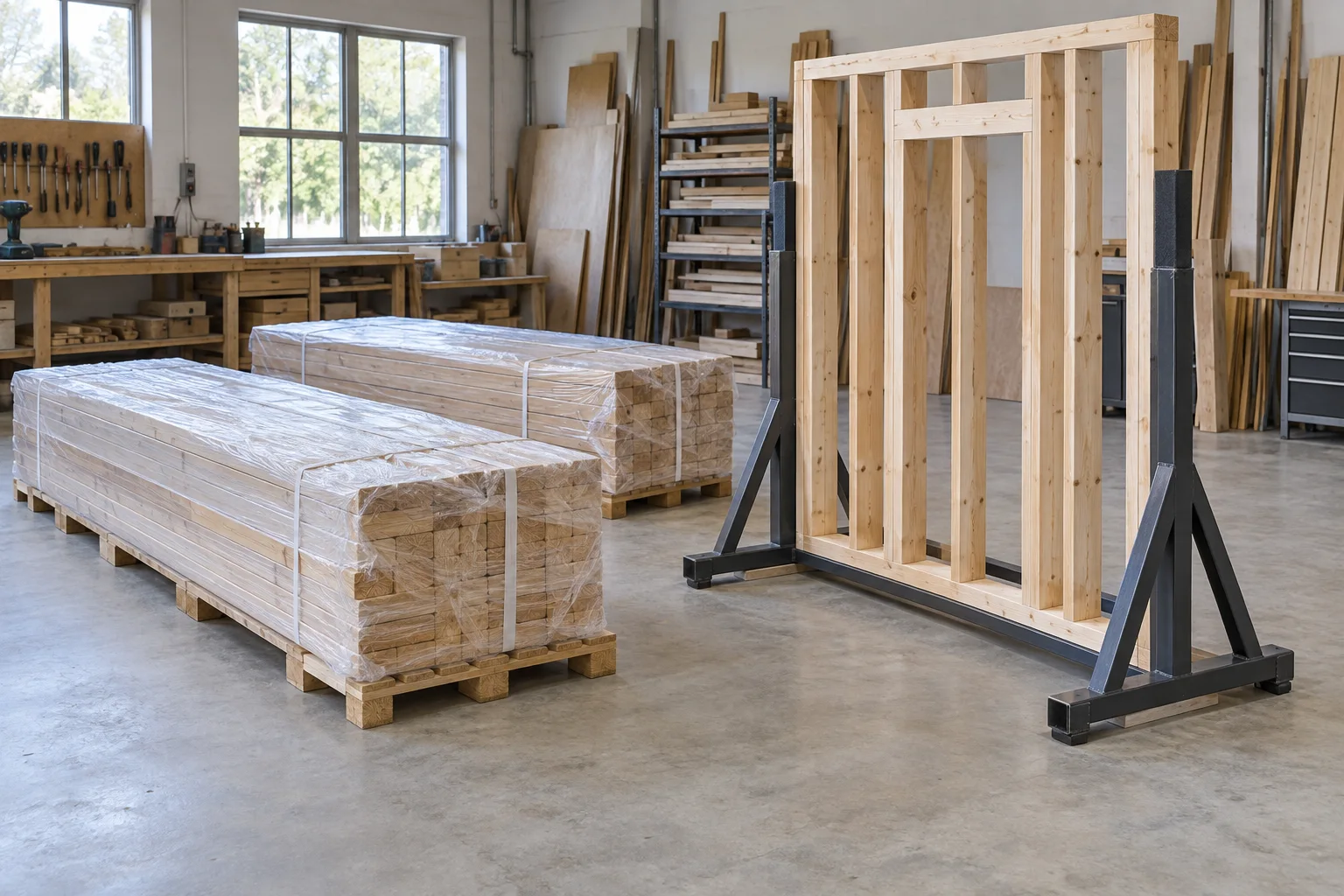
Use one clarification log so that technical answers become part of the accepted offer. Record the person authorized to approve changes, and make the final drawing set match the quotation. An answer that changes the package should not remain buried in a chat. Before the purchase order, confirm what will be inspected and which destination questions remain with the local team. The tender should finish with a stable baseline that production can follow.
Before approving this detail, request a final clarification log incorporated into the accepted quotation and drawing register. Evidence should have a clear scope and a named reviewer, especially when the manufacturer and local installer perform different parts of the work. Record the accepted outcome and keep any conditional items open. This prevents a preliminary assumption from becoming a repeated production instruction without a deliberate decision.
The error to avoid is issuing an order while contradictory email answers remain unresolved. Resolve the gap before the adjoining work is purchased or concealed. Where two options look similar in the catalogue, compare the evidence, access for correction and effect on the rest of the package rather than treating the photograph as the specification.
A question to put in the buyer brief
Which final document set will govern manufacturing and acceptance of this order?
Use a decision matrix to compare the complete proposal
A buyer can turn the questions above into a comparison sheet for prefab cabin RFQ. Keep the original requirement in one column and each supplier's proposed answer in another. Compare like-for-like scope first; then assess how convincing the supporting evidence is. A missing answer should appear as pending, not as a zero-cost inclusion or an assumed pass.
Use three practical statuses: accepted with evidence, accepted subject to a named condition, and unresolved. Conditional acceptance needs an owner and a deadline before the affected work begins. It may be sensible to proceed with unrelated work while a detail is developed, but the team should explicitly identify the boundary. That is different from letting an unresolved detail silently spread across a multi-unit order.
Further reading: Related CabinWild buyer guide; Related CabinWild buyer guide; Browse cabin options; Discuss a project.
| Review item | Evidence to compare | Question that closes the gap |
|---|---|---|
| Define mandatory requirements before preferences | A dated requirements schedule identifying mandatory items, preferences and named reviewers | Which mandatory requirements are confirmed, conditional or unanswered in your proposal? |
| Issue one consistent drawing and supply boundary | A scope matrix with one current drawing revision and explicit purchaser-supplied items | Please identify every excluded item and every alternative to the base package. |
| Require a deviation schedule | A component-by-component deviation register linked to the offered materials schedule | What changes from the requested specification, and what interfaces does each change affect? |
| Score evidence separately from the proposed claim | A scoring sheet that distinguishes offered scope, documentary evidence and unresolved verification | Which document or inspection will support each important technical claim? |
| Normalize commercial comparison without hiding uncertainty | A commercial comparison showing currency, named delivery place, allowances and offer validity | Please state the delivery term, named place, validity and separately priced options. |
| Close clarifications before release | A final clarification log incorporated into the accepted quotation and drawing register | Which final document set will govern manufacturing and acceptance of this order? |
Worked buyer scenario: an illustrative decision sequence
Consider a hypothetical operator seeking identical guest cabins from three suppliers. One includes windows but excludes roof covering; another includes the covering but offers smaller openings; a third includes fitted services. The procurement team initially sees three prices for apparently similar photographs. It first places each offer against the same shell-and-envelope schedule, leaving interior fit-out as a separately evaluated option.
The team then asks each bidder for the same opening schedule, material identification and delivery boundary. The smaller-window alternative is assessed as a deliberate design change instead of being counted as an exact match. Destination installation allowances remain separate until the local contractor answers them. The team can now explain which price difference follows from scope and which follows from the commercial offer.
The shortlist is conditional on the missing technical answers. No supplier is declared compliant merely because its total is lowest. The scenario illustrates an evaluation method, not an actual CabinWild tender, customer or price. Its useful outcome is a traceable accepted package that the buyer, supplier and installer all recognize.
Separate factory checks, delivery condition and the installed result
For this product application, identify which decisions can be confirmed from the accepted brief and which require physical evidence. Factory testing, if specified and actually performed, should have a defined method, sample and acceptance criterion. A supplier's demonstration is not automatically an independent test, and a component result does not prove the installed cabin's performance. Ask for the scope before putting any test wording in a purchase order.
At shipment inspection, compare the supplied items with the evidence list below. The purpose is to confirm the agreed package and condition at the stated stage, not to predict every destination outcome. Installation preparation should identify access, responsible trades and any hold point needed before an interface is covered. A gap found at that stage is often easier to correct than one found after a finished room has been furnished.
For repeated cabins, use an identified first unit or agreed representative sample before authorizing repetition of a new detail. Record what was checked, who checked it and what remains for site verification. Do not call the whole batch approved merely because one attractive unit has been photographed. Equally, do not impose unrelated checks that add delay without resolving the specific customer requirements.
- A dated requirements schedule identifying mandatory items, preferences and named reviewers.
- A scope matrix with one current drawing revision and explicit purchaser-supplied items.
- A component-by-component deviation register linked to the offered materials schedule.
- A scoring sheet that distinguishes offered scope, documentary evidence and unresolved verification.
- A commercial comparison showing currency, named delivery place, allowances and offer validity.
- A final clarification log incorporated into the accepted quotation and drawing register.
Frequently asked questions
What should a cabin RFQ include?
Include destination, intended use, quantity, drawings, building system, supply boundary, required evidence, delivery assumptions and quotation validity. Give suppliers a structured place to list exclusions and alternatives. The objective is comparable answers, not a lengthy document that nobody can interpret.
Should the lowest cabin bid win?
Only after the bids have been normalized and mandatory requirements are resolved. A low price can reflect an excluded roof, different openings or a different delivery boundary. Compare the accepted scope and evidence before judging the commercial difference.
Can a supplier offer alternatives?
Yes. Ask for a conforming base offer where feasible and a separate alternative with its effects on design, approval, installation and maintenance. A substitute should be evaluated deliberately rather than silently replacing the requested component.
How many suppliers should receive the RFQ?
Use a manageable shortlist of suppliers capable of answering the proposed system and documentation needs. There is no universal correct number. A smaller set of complete comparable bids can be more useful than many unrelated catalogue prices.
Does a technical tender prove local compliance?
No. It collects information for review. Local designers and authorities determine the requirements and acceptance route for the actual use and site. Supplier documents must be assessed for that context rather than treated as universal building permission.
Conclusion: approve a comparable baseline
A strong cabin tender makes scope differences visible and gives each important claim an evidence route. Normalize the offers, resolve mandatory gaps and preserve accepted clarifications with the final drawings. The resulting purchase decision is easier to explain and less likely to change unexpectedly during production.
Send CabinWild your destination, intended use, quantity, drawing stage and the questions that remain open. Include the evidence you need in the quotation rather than asking only for a model price. Contact info@CabinWild.com to discuss the proposed cabin supply boundary and supporting documents. Local design, installation and approval responsibilities should be agreed with the destination professionals.
Discuss prefab cabin RFQ
Send your destination, quantity, intended use and this specification question. Ask for a clearly bounded quotation and document list.
Prepared with AI assistance for CabinWild Editorial using the linked public sources. Examples are illustrative, not customer results or verified CabinWild test data. Project-specific design and local requirements need review by the appropriate professionals.