CUSTOM DEVELOPMENT

Custom Cabin OEM & ODM Services

Customisation should turn a commercial idea into an approvable specification, responsibility matrix, drawing set, sample decisions, and controlled production package.

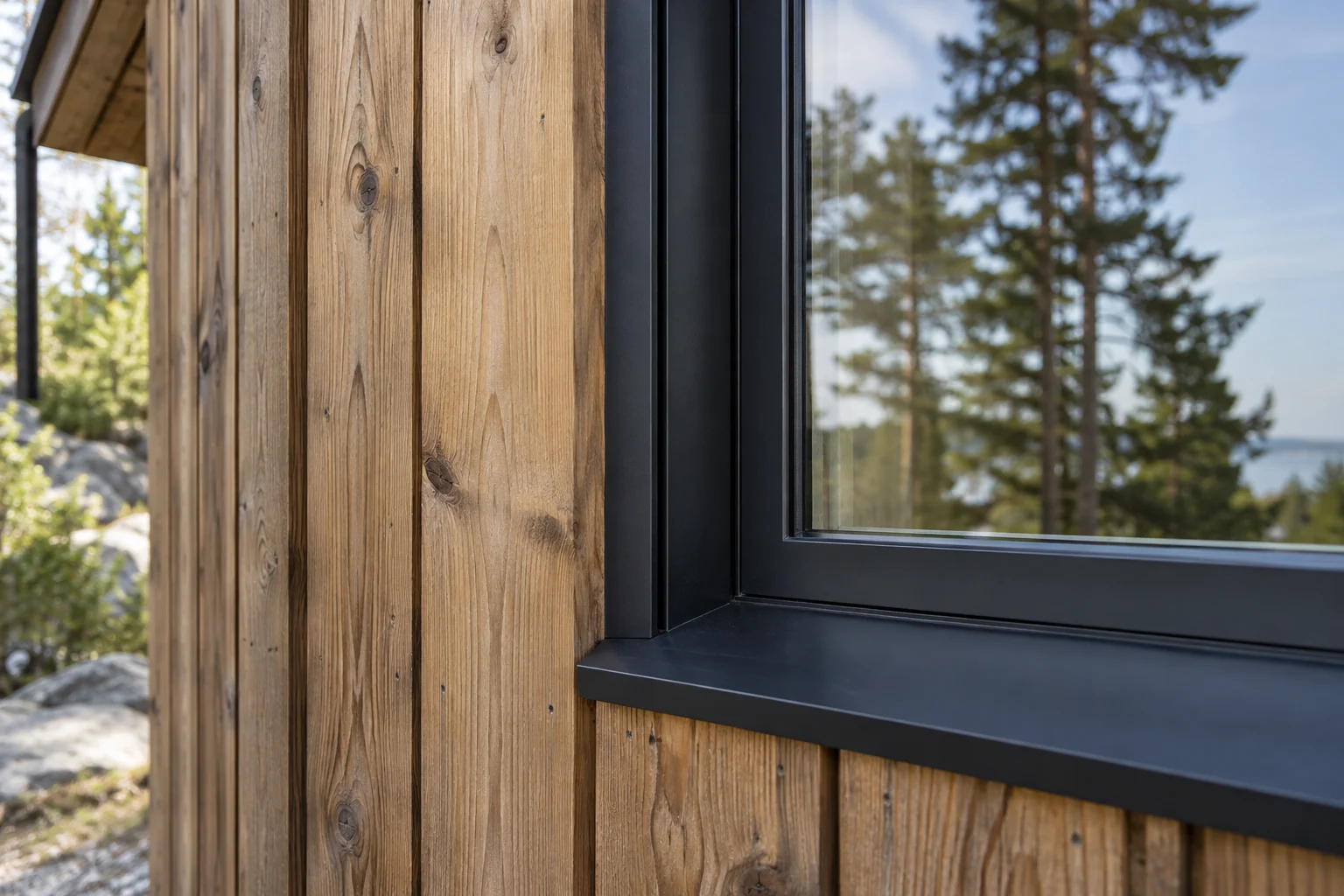
Illustrative close view of timber cabin joinery and cladding details
Illustrative AI-generated project image. Final products, factory evidence, specifications, and destination suitability require project-specific confirmation.
InputBrief or drawings
OutputApproved production pack
ControlRevision and sample gates
BrandingProject-specific review

BUYER PRIORITIES

Move from concept to controlled scope.

OEM and ODM projects need clear ownership of design inputs, engineering review, intellectual property, samples, testing, packaging, branding, and later revisions.

Requirements and design

Translate target users, destination, dimensions, layout, finishes, services, price position, and logistics constraints into a coordinated brief.

  • Room and circulation requirements
  • Performance and climate inputs
  • Target cost and supply boundary

Prototype and approval

Identify which drawings, finish boards, mock-ups, prototype elements, or pilot units must be reviewed before volume production.

  • Approval register
  • Acceptance criteria
  • Open-item closure

Brand and production control

Define logo placement, labels, manuals, packaging artwork, approved vendors, confidentiality expectations, and change authority.

  • Private-label schedule
  • Controlled artwork files
  • Repeat-order revision rules

PROJECT ENQUIRY

Planning a custom cabin OEM or ODM programme?

Share the destination, intended use, quantity, preferred configuration, target date, and any drawings. CabinWild will use the information to prepare the next project discussion.

WORKING METHOD

Move from brief to controlled shipment.

Use written stage gates so unresolved requirements do not become undocumented production assumptions.

  1. 01

    Qualify the brief

    Confirm intended use, destination, quantities, programme, supply format, site constraints, and known performance inputs.

  2. 02

    Align the scope

    Compare drawings, materials, options, exclusions, responsibilities, documents, price basis, and open decisions.

  3. 03

    Approve the baseline

    Close samples, drawings, specifications, inspection criteria, payment evidence, and authorised change routes.

  4. 04

    Control production

    Use current revisions, material checks, hold points, traceable records, and written non-conformity closure.

  5. 05

    Release and hand over

    Verify goods, labels, packing, documents, freight readiness, arrival checks, and the support route.

BUYER NOTE

A rendering is not a production specification.

Final design feasibility, structural adequacy, energy performance, fire, accessibility, services, transport, and local approval requirements depend on the complete project and destination review. Confirm drawings, inclusions, material records, inspection criteria, packing details, and the responsibility split in the project quotation.

  • Identify local professional responsibilities
  • Approve the manufacturing documents before release
  • Record ownership and permitted use of design files

BUYER QUESTIONS

Frequently asked questions.

Clear starting answers for commercial buyers. Final scope and compliance remain project-specific.

Can I submit my own cabin drawings?

Yes. Provide the latest drawings, intended use, destination, quantity, target date, and known performance requirements. A technical review is still required before confirming manufacturability, scope, and price.

Is a prototype always required?

Not always. The appropriate approval route depends on novelty, order value, repeated components, risk, schedule, and the evidence available from samples, mock-ups, drawings, or prior validated details.

Let's build your
next opportunity.

Tell us about your location, cabin style, and project requirements.

info@CabinWild.com