AUSTRALIA MARKET

Prefab Wooden Cabins for Australia Projects

Australian cabin projects should begin with the site, intended use, building classification, state or territory variations, climate and hazard exposure, approval pathway, import responsibilities, and remote-site logistics.

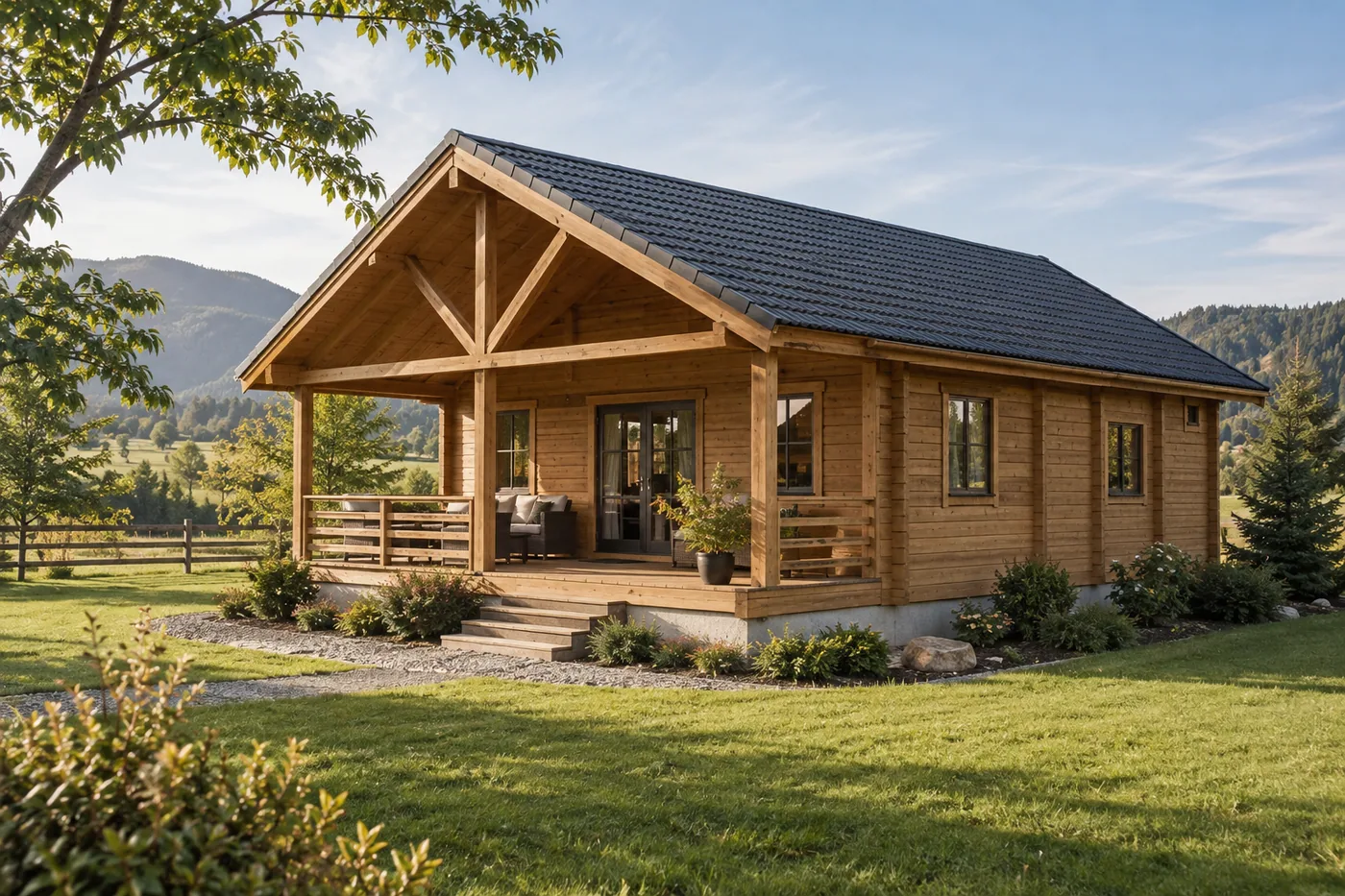
Illustrative timber cabin at an Australian landscape project site
Illustrative AI-generated project image. Final products, factory evidence, specifications, and destination suitability require project-specific confirmation.
Buyer focusTourism & project buyers
Code basisNCC plus local variation
Site factorsClimate and hazard exposure
LogisticsPort, road and remote access

BUYER PRIORITIES

Connect the cabin package to the Australian site and approval pathway.

The NCC establishes national technical requirements, while building classification, state or territory variations, local planning, bushfire, wind, flood, energy, accessibility, sanitation, and site conditions may change the project brief.

Classification and project criteria

Confirm the intended use, occupant profile, building classification, project address, state or territory, climate zone, wind and hazard inputs, planning route, accessibility needs, and required professional documentation.

  • NCC classification discussion
  • Site-specific design criteria
  • Certifier and consultant document list

Import and biosecurity planning

Coordinate the importer of record, customs and tax advice, timber and packaging documentation, biosecurity treatment or cleanliness requirements, port arrangements, quarantine inspection risk, and evidence responsibilities before dispatch.

  • Broker and biosecurity advice
  • Timber and packing document register
  • Inspection and contingency allowance

Remote delivery and completion

Survey road access, delivery dimensions, escorts or permits if relevant, unloading plant, cyclone or high-wind exposure, bushfire-interface inputs, termite strategy, foundations, services, water and wastewater, local trades, and commissioning.

  • Route and lifting assessment
  • Site responsibility matrix
  • Weather and storage plan

PROJECT ENQUIRY

Planning an Australian prefab cabin project?

Share the destination, intended use, quantity, preferred configuration, target date, and any drawings. CabinWild will use the information to prepare the next project discussion.

WORKING METHOD

Turn the destination into a controlled project brief.

Confirm the address, use, local approval route, design inputs, import responsibilities, delivery constraints, site work, and evidence before production release.

  1. 01

    Confirm location and use

    Record the exact destination, operating model, occupancy, unit count, site constraints, programme, and local project team.

  2. 02

    Map the local pathway

    Identify planning, building-control, engineering, certification, import, inspection, and professional responsibilities without assuming one national route.

  3. 03

    Coordinate the cabin package

    Align drawings, materials, envelope inputs, services, factory scope, site interfaces, evidence, options, and exclusions with the local brief.

  4. 04

    Plan import and delivery

    Confirm Incoterm, customs and tax advice, packing, port route, inland transport, unloading, storage, installation access, and arrival inspection.

  5. 05

    Approve and close out

    Release only an agreed baseline, then retain factory records, shipment documents, site inspections, commissioning evidence, defects, and handover information.

BUYER NOTE

NCC classification and local conditions must be resolved early.

ABCB guidance explains that NCC requirements use building classifications and include state and territory variations. CabinWild can coordinate agreed factory information, but Australian planning, certification, engineering, hazard assessment, import, biosecurity, installation, and site approval obligations require qualified local advice. Confirm drawings, inclusions, material records, inspection criteria, packing details, and the responsibility split in the project quotation.

  • Confirm classification and authority pathway before design freeze
  • Provide site hazard and climate inputs to the design team
  • Align import, biosecurity and packing documents before shipment

BUYER QUESTIONS

Frequently asked questions.

Clear starting answers for commercial buyers. Final scope and compliance remain project-specific.

What NCC class is a tourist cabin?

Classification depends on the building's use, occupancy, arrangement, and project context. It should be determined by appropriately qualified Australian professionals or the relevant authority, not assumed from the product name.

Can one cabin specification suit every Australian state?

Not automatically. State or territory variations, climate, wind, bushfire, flood, termite, energy, planning, accessibility, sanitation, and local site conditions can require different inputs or details.

What should an Australian buyer send for quotation?

Send the site address and state or territory, intended use, unit count, preliminary classification advice, climate and hazard reports if available, plans, preferred format, access constraints, import responsibility, target programme, and required documentation.

How should timber packaging and biosecurity be handled?

The buyer should obtain current advice from its customs broker, biosecurity adviser, and Australian authorities for the product, timber components, and packaging. Required treatment, declarations, cleanliness, inspection, and contingency should be agreed before shipment.

OFFICIAL STARTING POINTS

Verify the current local pathway.

These external resources support early research. The applicable authority and qualified local professionals remain responsible for project-specific interpretation.

Let's build your
next opportunity.

Tell us about your location, cabin style, and project requirements.

info@CabinWild.com