CANADA MARKET

Prefab Wooden Cabins for Canadian Projects

Canadian cabin projects need a province- or territory-specific brief. Applicable code editions, municipal permits, snow and wind loads, climate, energy requirements, foundations, services, import responsibilities, and licensed-professional review can change the supply package.

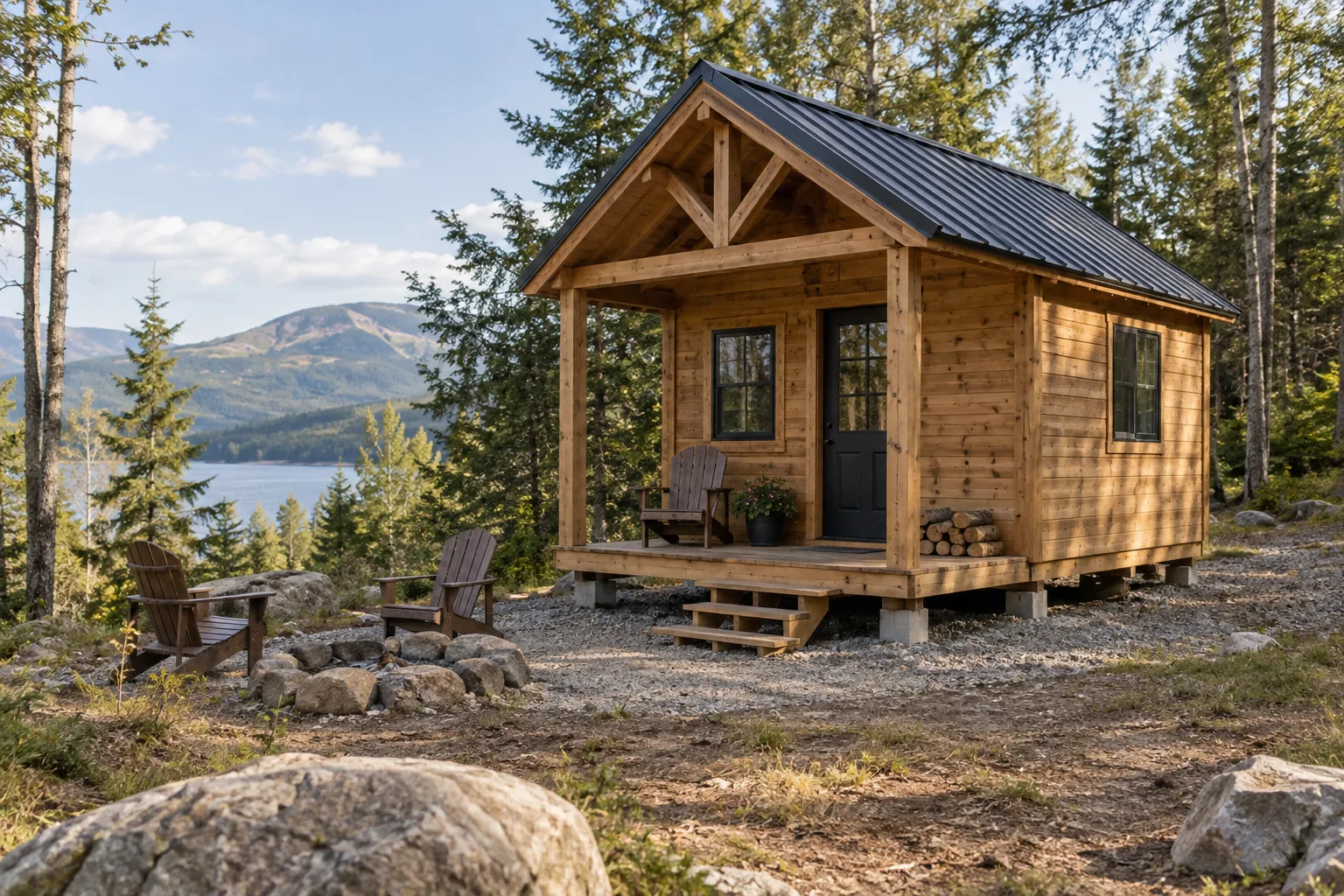
Illustrative timber cabin in a Canadian landscape with cold-climate project conditions
Illustrative AI-generated project image. Final products, factory evidence, specifications, and destination suitability require project-specific confirmation.
Buyer focusResorts, dealers & developers
Code routeProvince or territory specific
Climate inputsSnow, wind and temperature
Quote basisSite-specific project brief

BUYER PRIORITIES

Translate the Canadian destination into a controlled supply scope.

Canada publishes national model codes, but provinces and territories adopt, adapt, and enforce requirements through their own legal and municipal pathways. The quotation should separate factory scope from local approvals and site completion.

Jurisdiction and design criteria

Confirm the project address, province or territory, municipality, intended occupancy, applicable code edition, local amendments, snow, wind, seismic and climate inputs, energy pathway, accessibility, and professional-seal expectations.

  • Authority and permit route
  • Local architect or engineer responsibilities
  • Required submittal and inspection list

Cold-climate envelope planning

Coordinate insulation targets, thermal bridges, airtightness, vapour and moisture strategy, roof drainage, snow retention, openings, ventilation, heating, freeze protection, durability, and the evidence requested by the local design team.

  • Complete wall, roof and floor build-ups
  • Junction and service-penetration details
  • Project-specific performance assumptions

Import, delivery and installation

Define importer of record, customs broker, tariff advice, Incoterm, port or rail route, inland transport, seasonal road access, unloading, storage, weather protection, foundations, utilities, local trades, inspections, and handover.

  • Landed-scope cost model
  • Route and unloading assessment
  • Installation and commissioning matrix

PROJECT ENQUIRY

Planning a Canadian prefab cabin project?

Share the destination, intended use, quantity, preferred configuration, target date, and any drawings. CabinWild will use the information to prepare the next project discussion.

WORKING METHOD

Turn the destination into a controlled project brief.

Confirm the address, use, local approval route, design inputs, import responsibilities, delivery constraints, site work, and evidence before production release.

  1. 01

    Confirm location and use

    Record the exact destination, operating model, occupancy, unit count, site constraints, programme, and local project team.

  2. 02

    Map the local pathway

    Identify planning, building-control, engineering, certification, import, inspection, and professional responsibilities without assuming one national route.

  3. 03

    Coordinate the cabin package

    Align drawings, materials, envelope inputs, services, factory scope, site interfaces, evidence, options, and exclusions with the local brief.

  4. 04

    Plan import and delivery

    Confirm Incoterm, customs and tax advice, packing, port route, inland transport, unloading, storage, installation access, and arrival inspection.

  5. 05

    Approve and close out

    Release only an agreed baseline, then retain factory records, shipment documents, site inspections, commissioning evidence, defects, and handover information.

BUYER NOTE

A national model code is not a universal permit for every Canadian project.

The National Research Council explains that model codes take effect through adoption by provinces or territories, sometimes with significant variations, and local authorities may handle permits and enforcement. CabinWild can coordinate agreed factory information, while the Canadian project team must confirm the legally applicable code, engineering, permits, inspections, site work, and professional documentation. Confirm drawings, inclusions, material records, inspection criteria, packing details, and the responsibility split in the project quotation.

  • State the province, territory and municipality in the brief
  • Provide site-specific climate and structural inputs before design freeze
  • Keep factory documents and Canadian approval responsibilities distinct

BUYER QUESTIONS

Frequently asked questions.

Clear starting answers for commercial buyers. Final scope and compliance remain project-specific.

Does the National Building Code of Canada apply automatically everywhere?

No. The national code is a model document. Provinces and territories adopt or adapt codes through their own regulations, and municipalities may administer permits and inspections. Confirm the current local requirements for the exact site.

What cold-climate information should a Canadian buyer provide?

Provide the project location, intended use, design temperatures, snow and wind criteria, energy or insulation targets, moisture strategy, heating and ventilation expectations, foundation concept, utility approach, and any consultant requirements already identified.

Can CabinWild provide permit-ready Canadian drawings?

Factory drawings and product information can be defined within the supply scope. Permit sets, site adaptations, calculations, and professional seals must be coordinated project by project with appropriately qualified Canadian professionals.

What supports a useful landed quotation?

Send quantity, model or plan, destination, supply format, Incoterm preference, importer and broker arrangement, delivery access, unloading method, installation scope, target programme, and the required technical document list.

OFFICIAL STARTING POINTS

Verify the current local pathway.

These external resources support early research. The applicable authority and qualified local professionals remain responsible for project-specific interpretation.

Let's build your
next opportunity.

Tell us about your location, cabin style, and project requirements.

info@CabinWild.com