Define the use
State who will use the cabin, for how long, with what equipment, and under which operating or guest-service conditions.
- Occupancy and room functions
- Accessibility and circulation review
- Housekeeping and storage needs
PRODUCT SHORTLIST
Use a catalogue to identify possible starting points, then convert the shortlist into a project-specific brief before relying on dimensions, materials, performance, availability, or price.
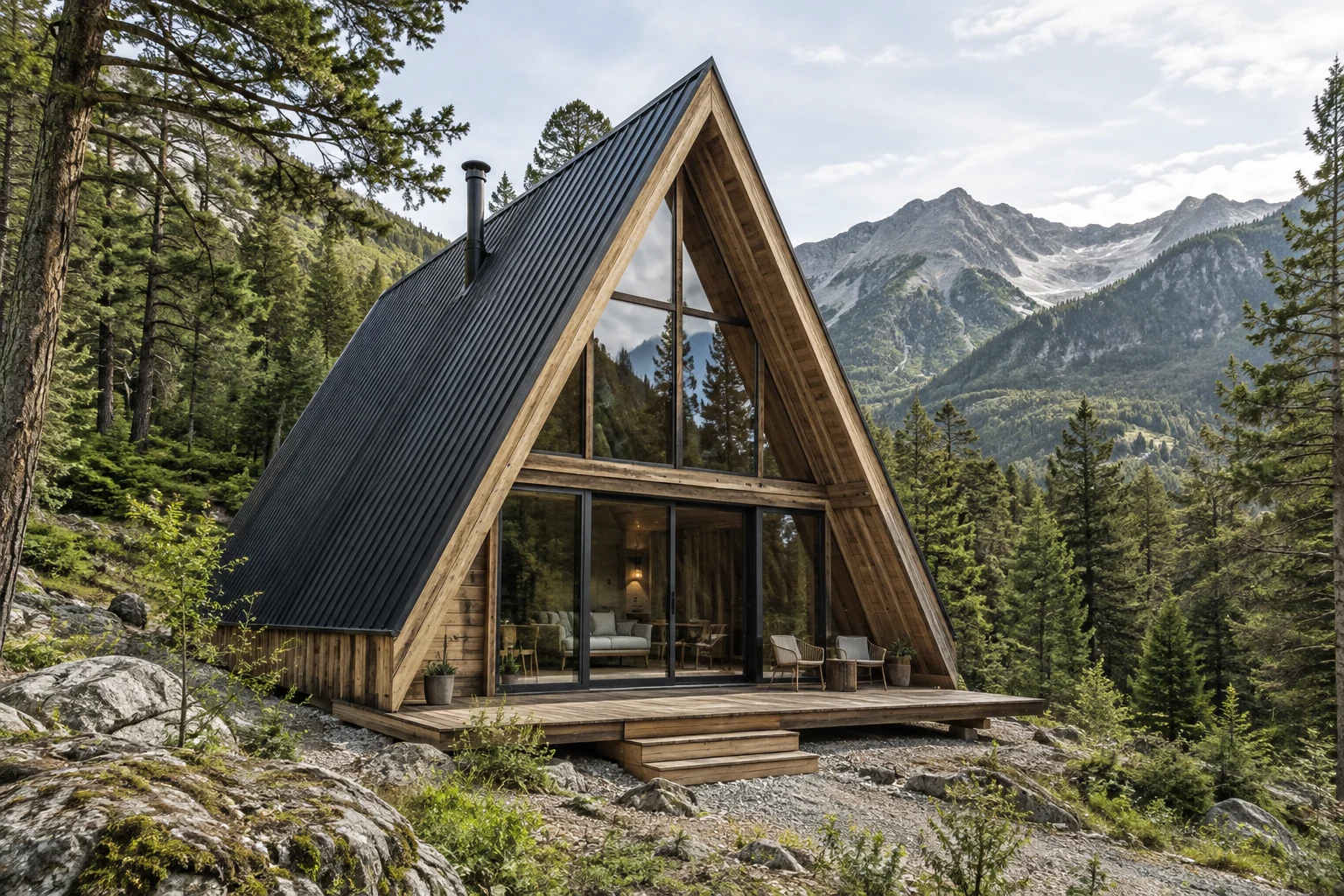
BUYER PRIORITIES
A useful shortlist links each model to guest capacity, staff workflow, furniture, wet areas, service connections, climate, access, installation, and maintenance.
State who will use the cabin, for how long, with what equipment, and under which operating or guest-service conditions.
Compare footprint, roof form, glazing, privacy, wet areas, lofts, porches, service zones, and suitable supply formats.
Ask for the applicable drawing, option schedule, material proposal, exclusions, lead-time basis, and quote for the destination.
PROJECT ENQUIRY
Share the destination, intended use, quantity, preferred configuration, target date, and any drawings. CabinWild will use the information to prepare the next project discussion.
WORKING METHOD
Use written stage gates so unresolved requirements do not become undocumented production assumptions.
Confirm intended use, destination, quantities, programme, supply format, site constraints, and known performance inputs.
Compare drawings, materials, options, exclusions, responsibilities, documents, price basis, and open decisions.
Close samples, drawings, specifications, inspection criteria, payment evidence, and authorised change routes.
Use current revisions, material checks, hold points, traceable records, and written non-conformity closure.
Verify goods, labels, packing, documents, freight readiness, arrival checks, and the support route.
BUYER NOTE
Images and standard descriptions may illustrate a design direction. The contract package must identify the exact product, revision, materials, supplied items, performance assumptions, evidence, price, programme, and responsibilities. Confirm drawings, inclusions, material records, inspection criteria, packing details, and the responsibility split in the project quotation.
BUYER QUESTIONS
Clear starting answers for commercial buyers. Final scope and compliance remain project-specific.
Yes. Send the intended use, destination, quantity, preferred style, approximate size, and target date to help narrow the most relevant starting points.
Some systems may have preferred modules or standard options, while other dimensions require review. Availability, structural inputs, transport limits, and price must be confirmed for the project.
Tell us about your location, cabin style, and project requirements.
info@CabinWild.com